
In 2026, navigating the sprawling media landscape requires more than just a remote control; it demands a financial strategy. With streaming costs soaring and subscription fatigue at an all-time high, smart budgeting for entertainment is crucial. Discover the best streaming deals, compare subscription services, and learn how to optimize your media consumption for maximum value, ensuring your wallet determines what you watch, not the other way around. Unlock cost-effective entertainment and manage your digital subscriptions like a pro.
Media Consumption In 2026 Why Your Wallet Should Determine What You Watch
ADVERTISEMENT
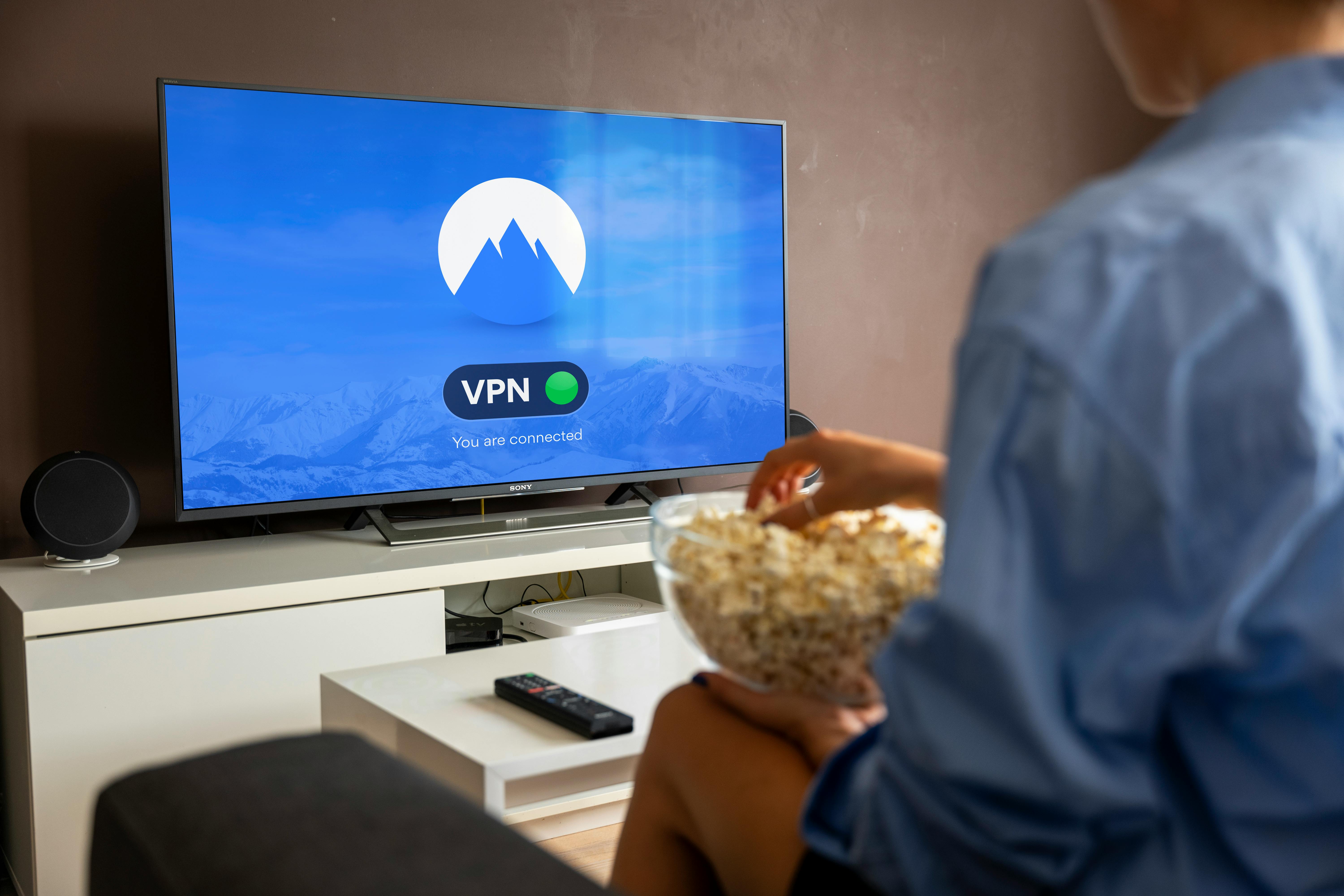
Welcome to 2026, a world awash in an unprecedented ocean of digital content. From hyper-realistic AI-generated blockbusters to niche documentaries and interactive metaverse experiences, the options for entertainment are limitless – and increasingly, so are the bills. The golden age of "cut the cord and save" has evolved into a complex web of streaming subscriptions, ad-supported tiers, and premium content add-ons, leaving many consumers feeling overwhelmed and overcharged. What began as a promise of liberation from cable bills has morphed into a formidable monthly expense, often surpassing the very services it sought to replace. This era of abundant choice necessitates a fundamental shift in how we approach media consumption. No longer can we blindly subscribe to every tempting offer. In 2026, the discerning viewer understands that their wallet isn't just a means to access content; it's the ultimate arbiter of what truly provides value. It’s time to move beyond passive consumption and embrace a proactive, financially intelligent approach to your entertainment choices. Your wallet isn't just a budget; it's your most powerful tool for curating a personalized, cost-effective, and genuinely enjoyable media experience.
The media landscape of 2026 is a testament to both innovation and escalating costs. Industry reports indicate that the average household in the USA now subscribes to 6-8 streaming services, with many Indian households maintaining a similar number across regional and global platforms. This proliferation has pushed the average monthly spending on digital entertainment past the $120 mark in the US, and a significant portion of disposable income in urban India, often without consumers fully realizing the cumulative impact. The initial appeal of low-cost individual subscriptions has given way to 'subscription fatigue,' where the sheer volume of recurring charges becomes a drain on household finances. Major players like Netflix, Disney+, Amazon Prime Video, and Max have all introduced or expanded their ad-supported tiers, signaling a pivot towards more accessible price points in exchange for viewer attention. These ad-supported options, often 30-50% cheaper than their ad-free counterparts, have seen a surge in adoption, indicating a strong consumer preference for value. Furthermore, the rise of Free Ad-supported Streaming TV (FAST) services like Pluto TV, Tubi, and The Roku Channel has democratized access to a vast library of content, proving that quality entertainment doesn't always come with a premium price tag. In markets like India, the strategic bundling by telecom giants such as Jio and Airtel with streaming platforms has reshaped how consumers access content, often integrating entertainment into broader connectivity packages. This trend towards bundling, both by service providers and within streaming ecosystems (e.g., the Disney Bundle in the US), is a direct response to consumer demand for simplified billing and perceived savings. The economic realities of 2026, marked by persistent inflation, have only intensified the need for consumers to critically evaluate every recurring expense, making media consumption a prime target for optimization.
"In 2026, the smartest consumers are those who treat their entertainment budget with the same rigor they apply to their utility bills," advises Anya Sharma, a leading financial wellness expert specializing in digital spending. "The 'set it and forget it' mentality for subscriptions is a relic of the past. We're seeing a significant shift towards 'conscious consumption,' where individuals actively audit their subscriptions quarterly, leveraging free trials strategically, and understanding the true value proposition of each service." Industry analysts like Dr. Rohan Mehta, CEO of Digital Insights India, emphasize the psychological aspect: "The perception of 'owning' access to content, even if you rarely watch it, is a powerful driver of subscription retention. However, with the rise of AI-driven personalized budgeting apps, consumers are gaining unprecedented transparency into their spending habits, empowering them to make data-backed decisions. These tools, often integrated with banking platforms, can flag underutilized subscriptions or recommend cheaper alternatives based on viewing patterns." The "churn and return" strategy, where subscribers cancel a service after binge-watching desired content and later re-subscribe when new shows drop, has also become a mainstream tactic. "This isn't about deprivation; it's about optimization," states Mark Jensen, a tech journalist and media consumption expert. "Why pay for 12 months of a service you only actively use for 3? The industry is adapting, with more flexible subscription models and even pay-per-view options for premium events regaining traction. The goal is to maximize your entertainment return on investment, ensuring every dollar spent brings genuine enjoyment and aligns with your financial goals." The consensus is clear: in 2026, financial literacy in media consumption is not just a recommendation; it's a necessity for economic empowerment and sustainable entertainment.
Navigating the 2026 media landscape effectively means adopting smart strategies that align with your financial capacity and viewing habits. Here are the best options for optimizing your entertainment budget:
This strategy involves leveraging bundled offers from telecom providers, existing streaming partnerships, or even credit card benefits. Many internet service providers (ISPs) in the USA and India now offer significant discounts when you combine your internet, mobile, and select streaming services (e.g., JioFiber with included streaming packs, Verizon Fios with Max or Netflix). Streaming giants are also consolidating, with bundles like the Disney Bundle (Disney+, Hulu, ESPN+) remaining popular, and new partnerships constantly emerging. Look for promotional offers that integrate multiple services you already use or intend to use. This approach often provides the highest per-service discount.
Keywords: 2026 streaming bundles, best telecom entertainment packages, discounted streaming subscriptions, cost-effective content access, internet provider deals with streaming.
ADVERTISEMENT
For those who don't mind a few commercial breaks, embracing ad-supported streaming tiers offers substantial savings. Services like Netflix Basic with Ads, Disney+ Basic, Hulu (ad-supported), and Paramount+ Essential provide access to nearly their entire content libraries at a significantly reduced monthly cost compared to their ad-free counterparts. The ad loads have become more refined and less intrusive in 2026, often tailored to your viewing habits, making the trade-off increasingly palatable for budget-conscious viewers. This is often the simplest way to cut monthly expenses without sacrificing much content.
Keywords: Cheapest streaming plans 2026, ad-supported streaming services, value streaming options, Netflix with ads, Disney+ basic plan, save money on streaming.
This dynamic approach involves subscribing to a service for a month or two, binge-watching the desired content, and then canceling before the next billing cycle. You then move on to another service, repeating the process. This strategy requires active management but can drastically reduce your annual streaming expenditure. Tools and apps designed for subscription management can help track billing cycles and notify you when to cancel. This method is ideal for those who are disciplined and primarily subscribe for specific shows or movies rather than continuous background viewing.
Keywords: Subscription cycling strategy, churn and return streaming, maximizing free trials, on-demand content access, smart subscription manager, flexible viewing plans.
In 2026, the quality and quantity of content available on Free Ad-supported Streaming TV (FAST) platforms are astounding. Services like Pluto TV, Tubi, The Roku Channel, Amazon Freevee, and in India, platforms like JioCinema (free tier) and MX Player, offer thousands of movies, TV shows, and live channels completely free, supported by advertisements. While they may not have the absolute latest blockbusters or exclusive originals, their libraries are vast and constantly updated, providing excellent value for zero cost. This is the ultimate budget-friendly option for extensive entertainment.
ADVERTISEMENT
Keywords: Free streaming services 2026, FAST channels, ad-supported free content, no-cost entertainment, best free movies and TV shows, budget streaming.
Here’s a clear comparison of these top strategies:
The future of media consumption in 2026 and beyond promises even greater personalization and financial integration. We can anticipate further consolidation within the streaming industry, leading to fewer, but more comprehensive, "super-aggregators" that manage all your subscriptions under one roof, simplifying billing and offering hyper-personalized content recommendations based on your viewing habits across platforms. AI will play an even more pivotal role, not just in suggesting what to watch, but in actively managing your media budget, flagging underutilized services, and even predicting optimal times to subscribe or cancel based on content release schedules. The line between gaming, interactive experiences, and traditional linear content will continue to blur, with more platforms offering immersive narratives and user-generated content opportunities. Web3 technologies, while still nascent, could introduce new models of content ownership and creator economy participation, potentially allowing viewers to "earn" or "own" portions of content, reshaping how value is perceived and exchanged. Regionally, especially in markets like India, the focus on hyper-local content and multi-language offerings will intensify, driving unique subscription models tailored to specific linguistic and cultural preferences. Ultimately, the trend points towards an ecosystem where consumers have unprecedented control, not just over what they watch, but over how much they spend, making financially savvy media consumption the new norm rather than an exception.
In 2026, the power to define your entertainment experience firmly rests in your hands – and your wallet. The days of passively accepting escalating subscription costs are over. By adopting a proactive, financially intelligent approach, you can transform your media consumption from a budget drain into a curated, value-driven pleasure. Whether you choose to be a savvy bundler, an ad-tier aficionado, a content cyclist, or a FAST & free fanatic, the tools and strategies are available to ensure every dollar spent on entertainment delivers maximum enjoyment. It’s about making conscious choices, auditing your subscriptions regularly, and leveraging the growing array of options designed to save you money. Embrace the era of empowered media consumption. Take control of your digital entertainment budget, compare the best streaming deals, and optimize your choices. Your wallet isn't just a limit; it's a guide to smarter, more satisfying entertainment in the vibrant media landscape of 2026.
Editor and trend analyst at LATEST TALKS.
ADVERTISEMENT
Related Articles