
US investors are actively seeking opportunities to buy Indian stocks, driven by India's unparalleled economic growth and robust market performance. This guide explores the best ways to invest in India from the USA, comparing top international investment platforms, India ETFs, and direct equity options to help you diversify your portfolio and capitalize on the booming Indian market. Don't get left behind in the race for high returns.
Buy Stocks Why Us Investors Are Racing Against Indian Markets Dont Get Left Behind
ADVERTISEMENT
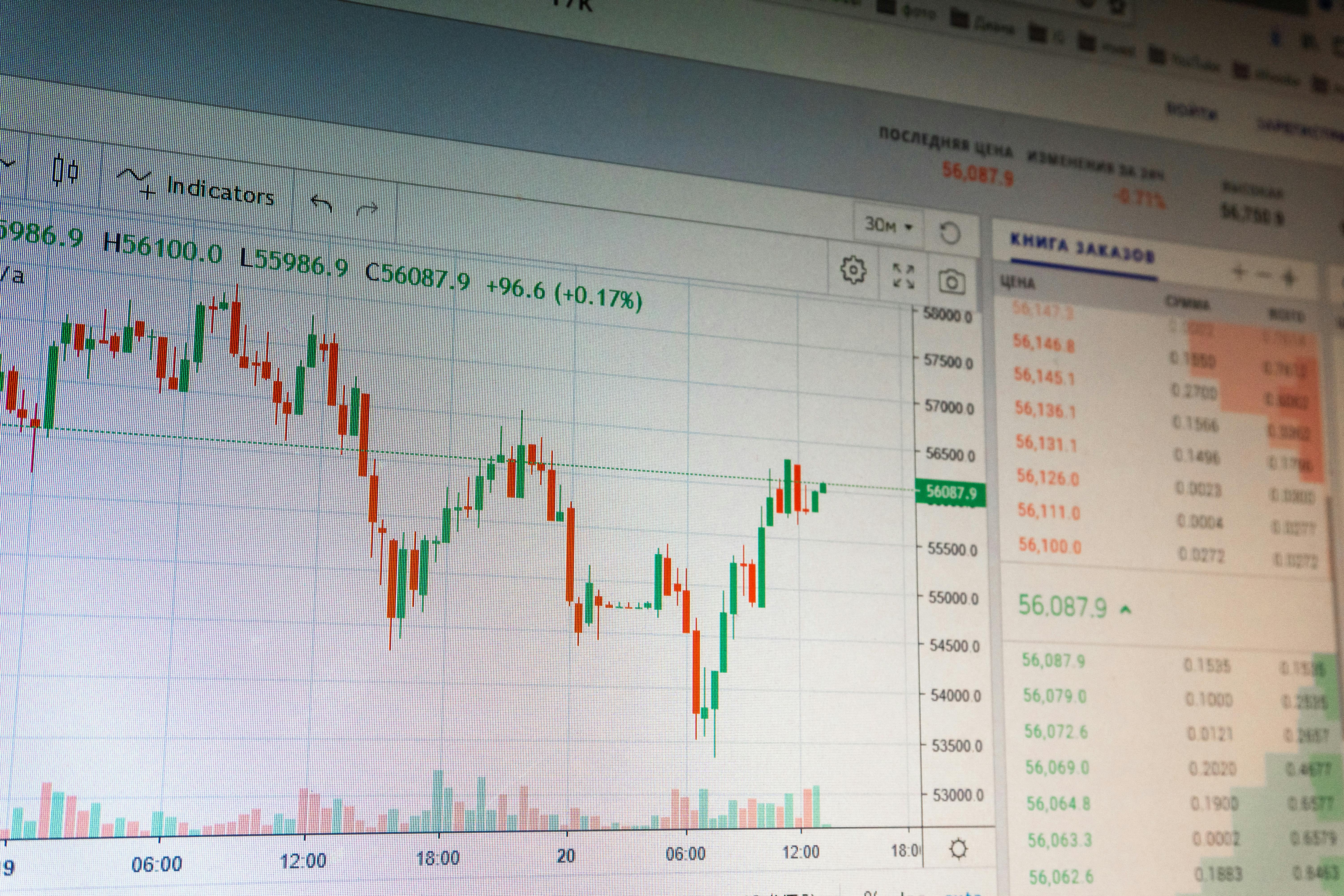
The global investment landscape in 2026 is buzzing with one undeniable truth: India is on an unprecedented growth trajectory, rapidly solidifying its position as a global economic powerhouse. For discerning US investors, the question is no longer "if" to invest in India, but "how" and "how quickly." The urgency is palpable; a race is underway, and those who hesitate risk being left behind as the Indian market continues its meteoric ascent.
Once considered an "emerging market" with potential, India has firmly transitioned into a dominant force, projected to become the world's third-largest economy by the end of the decade. This isn't just about impressive GDP figures; it's about a fundamental transformation fueled by a young, tech-savvy population, aggressive infrastructure development, and a government committed to ease of doing business. US investors are increasingly recognizing that neglecting India means missing out on a crucial component of global diversification and potentially significant capital appreciation.
This article serves as your essential guide to navigating the exciting, yet sometimes complex, world of Indian stock market investment from the United States. We'll delve into the compelling reasons behind India's current appeal, analyze the best investment avenues available, and equip you with the knowledge to make informed decisions, ensuring your portfolio is well-positioned to ride the Indian growth wave.
India's economic narrative in 2026 is a symphony of growth, innovation, and demographic dividend. Understanding these foundational elements is key to appreciating the urgency US investors feel:
These factors collectively paint a picture of an economy poised for sustained, significant expansion, making Indian equities an indispensable component of any forward-looking global investment strategy for US investors.
"The window of opportunity for US investors in India isn't closing, but it is maturing rapidly," explains Dr. Anya Sharma, Chief Global Strategist at Zenith Capital, in a recent interview. "What was once an 'emerging market play' is now a strategic cornerstone for global diversification. The smart money isn't just looking at India; it's already there, deepening its commitment."
Dr. Sharma emphasizes the shift from broad-based bets to more targeted sector-specific investments. "While the overall India growth story remains compelling, we're seeing particular strength in areas like renewable energy infrastructure, advanced manufacturing, and the digital economy. India's commitment to net-zero targets is driving massive investments in solar, wind, and battery storage, presenting incredible long-term opportunities. Simultaneously, the 'China Plus One' strategy adopted by many global corporations is funneling significant manufacturing capital into India, boosting sectors like electronics, chemicals, and textiles."
ADVERTISEMENT
Rajesh Kumar, Head of Emerging Markets Research at Global Equities Inc., highlights the domestic consumption narrative. "The Indian middle class is expanding at an unprecedented pace. This isn't just about basic necessities; it's about discretionary spending on premium goods, financial services, healthcare, and leisure. Companies catering to this aspirational consumer base, particularly in urban and semi-urban areas, are poised for exponential growth. We're seeing robust earnings growth in consumer discretionary, private banking, and even niche segments like luxury retail and travel."
However, experts also caution against a 'buy everything' approach. "While the upside is immense, investors must be mindful of potential headwinds," notes Dr. Sharma. "Global inflation, interest rate movements, and geopolitical events can always introduce short-term volatility. Currency fluctuations between the USD and INR also need to be considered. A well-diversified approach, coupled with thorough due diligence on individual companies or professionally managed funds, is crucial."
Kumar adds, "Regulatory changes, while generally positive, can sometimes introduce complexities. Investors should partner with platforms that offer comprehensive support and understanding of both US and Indian regulatory frameworks, particularly concerning repatriation of funds and tax implications. The key is to have a clear investment thesis and a long-term perspective, rather than chasing short-term gains."
Both experts agree that the structural tailwinds for India are strong and enduring, making it an essential destination for US capital seeking superior returns and portfolio diversification in the coming decade. The consensus is clear: the Indian market is not just an option; it's a necessity for competitive global portfolios.
For US investors eager to participate in India's growth story, several pathways exist, each with its own advantages and considerations. Choosing the right option depends on your investment goals, risk tolerance, and desired level of involvement. Here, we compare the most popular and effective methods:
This option allows you to buy individual Indian stocks listed on the NSE (National Stock Exchange) or BSE (Bombay Stock Exchange). It offers the highest level of control and potential for outsized returns if you choose winning companies. However, it requires more research, understanding of local market dynamics, and navigating specific regulatory and tax complexities.
ETFs are a popular and often simpler way for US investors to gain diversified exposure to the Indian market. These funds trade on US exchanges and hold a basket of Indian stocks, typically tracking a specific index (like the Nifty 50 or Sensex) or sector. They offer instant diversification and ease of trading.
ADVERTISEMENT
While direct access to Indian-domiciled mutual funds can be restricted for US persons due to FATCA and other regulations, US-domiciled "feeder funds" or specific offshore funds can provide access. These are professionally managed funds that invest directly into Indian securities or into underlying Indian mutual funds.
Here's a detailed comparison table to help you make an informed decision:
Looking ahead to the rest of 2026 and beyond, India's economic and market trajectory appears robust, albeit with the usual global caveats. Several key trends are expected to drive continued growth and investment opportunities for US investors:
While global economic slowdowns, inflation pressures, and geopolitical tensions remain potential headwinds, India's strong domestic consumption, favorable demographics, and proactive government policies provide a formidable buffer. The long-term outlook for India remains overwhelmingly positive, positioning it as an indispensable market for US investors seeking growth and diversification.
The message for US investors in 2026 is clear and urgent: the Indian market is not just an opportunity; it's a critical component for a truly diversified and growth-oriented global portfolio. The confluence of demographic advantage, robust economic policies, a thriving corporate sector, and a relentless drive for innovation has created a unique investment landscape that cannot be ignored.
Whether you opt for the direct control of individual stocks through international brokerage platforms, the diversified simplicity of India-focused ETFs, or the professional management of select mutual funds, the time to act is now. The race against the Indian market's rapid ascent is real, and the potential rewards for those who engage strategically are substantial. Don't be left behind. Evaluate your options, consider consulting with a financial advisor specializing in international investments, and position your portfolio to capitalize on India's undeniable rise as a global economic superpower.
Editor and trend analyst at LATEST TALKS.
ADVERTISEMENT
Related Articles